Stay Fit, Stay Strong: For women over 50

Why You Keep Waking Up at 2:00 a.m. — and What Cortisol Has to Do With It

Do you ever wake up around 2:00 or 3:00 in the morning—wide-eyed and restless—and wonder what’s going on with your body? You’re not alone, and no, it’s not just stress or “getting older.” One of the sneakiest culprits? Cortisol.

And here’s the good news: There are gentle, natural ways to calm the storm—including one simple snack before bed that can make a big difference.

Let’s break it down.

🧠 What Is Cortisol?

Cortisol is a hormone produced by your adrenal glands. It’s often called the “stress hormone,” but it actually plays a vital role in your body’s natural rhythm, metabolism, blood sugar balance, and immune system.

It’s not bad—unless it becomes dysregulated, which is incredibly common for women in midlife and beyond.

🌙 Why Cortisol Spikes at Night (Especially Around 2:00–3:00 a.m.)

Cortisol should naturally be lowest at night and start to rise in the early morning to help you wake up. But when your body is under stress, whether from:

• blood sugar crashes

• poor sleep habits

• hormone imbalances

• overtraining

• or emotional stress

…it can start spiking inappropriately—often right in the middle of the night.

When this happens, it pulls your body out of deep rest and bam—you’re wide awake at 2:00 a.m., wondering why you can’t get back to sleep.

🍌 The Cortisol–Blood Sugar Connection

One of the biggest drivers of nighttime cortisol spikes is low blood sugar.

If you go to bed without enough fuel—especially if you’re under-eating during the day or doing intermittent fasting without adjustments—your blood sugar can dip too low during the night. Your body responds by releasing cortisol to help bring your blood sugar back up.

But here’s the problem: cortisol is alerting. It’s the opposite of sleepy. So instead of easing back into rest, you’re now tossing, turning, and staring at the ceiling.

✅ Simple Bedtime Solution: A Small Balanced Snack

One of the most effective (and gentle) ways to prevent those 2:00 a.m. wake-ups is to eat a small, balanced snack before bed—especially one with natural carbs and a bit of fat.

Try this:

🍌 Best Bedtime Snacks to Help Lower Cortisol and Prevent 2 a.m. Wake-Ups

Each of these combines a small amount of natural carbs + healthy fat or protein, which helps keep blood sugar stable and cortisol in check overnight.

1. ½ Banana + 1 tsp Natural Peanut Butter

• ✔️ Perfect balance of glucose + fat

• ✔️ Supports liver glycogen levels to avoid early morning dips

• ✔️ Calms the nervous system with tryptophan and magnesium

2. ¼ Cup Cottage Cheese + ¼ Cup Berries

• ✔️ Casein protein supports overnight repair

• ✔️ Berries provide gentle carbs and antioxidants

• ✔️ Helps reduce cortisol + supports lean muscle

3. Small Oatmeal Bite (¼ Cup oats + almond butter)

• ✔️ Oats are rich in fiber and contain natural melatonin

• ✔️ Almond butter adds healthy fat and magnesium

• ✔️ Satisfying and soothing before bed

4. 1 Hard-Boiled Egg + 1 Small Kiwi or ½ Apple

• ✔️ Protein + a touch of slow carbs

• ✔️ Egg yolks also support hormone production

• ✔️ Kiwi has natural sleep-enhancing properties

5. A Few Almonds + 1 Date or 2 Dried Apricots

• ✔️ Natural sugar + fiber + fat

• ✔️ Dates provide quick, gentle glucose support

• ✔️ Great for liver glycogen replenishment

6. ½ Slice Ezekiel Bread + Ghee or Nut Butter

• ✔️ Sprouted grain = slow-digesting carbs

• ✔️ Ghee or almond butter = nourishing fat

• ✔️ Comforting and stabilizing

7. Greek Yogurt (plain, unsweetened) + Cinnamon + 1 tsp Honey

• ✔️ Protein + probiotics + blood sugar support

• ✔️ Cinnamon helps blunt blood sugar spikes

• ✔️ Honey supports liver and helps prevent adrenaline surges

💡 Tip: For women doing intermittent fasting, a small nighttime snack like this doesn’t “ruin” your fast if your goal is hormone balance and better sleep. In fact, if you’re waking up during the night, your fast might be stressing your adrenals.

🛌 How to Know If You Need a Snack

If you…

• Wake up at 2:00 or 3:00 a.m. consistently

• Feel wired but tired

• Get restless, sweaty, anxious, or hungry in the night

• Struggle with belly fat despite healthy habits

…you likely need some cortisol and blood sugar support.

Try one of the snacks above 30–60 minutes before bed, and keep the portion small (100–150 calories). This isn’t about feeding your cravings—it’s about supporting your body’s natural rhythms.

🔄 I Tried It Myself

I started experimenting with this small nighttime snack after noticing I was waking up like clockwork around 2:30 a.m. My mind wasn’t racing—I just felt on, like someone flipped a switch.

Adding a banana and peanut butter before bed completely changed the game. I started sleeping through the night again—and waking up truly rested.

💥 Bonus Benefit: Belly Fat & Cortisol

Chronically elevated cortisol doesn’t just disrupt your sleep. It’s also linked to abdominal fat storage—especially in midlife women. Why?

Because cortisol increases insulin and promotes fat storage around the belly (think of it as your body’s emergency “fuel tank”).

By improving your sleep quality, blood sugar stability, and lowering nighttime cortisol, you’re also taking a powerful step toward reducing stubborn belly fat.

✨ Final Thoughts

If you’re a woman in your 50s or 60s waking up at 2:00 a.m., you’re not broken—you’re biologically responding to the world around you.

Try giving your body the gentle support it needs with:

• A small snack before bed (like banana + peanut butter)

• A consistent bedtime routine

• Balanced meals throughout the day

• Managing stress with walking, breathing, prayer, or light movement

Small habits make a huge difference.

You deserve deep, restful sleep and a body that feels good to live in. This isn’t about fighting aging—it’s about supporting your body gracefully as it evolves.

#ThriveGracefully #SleepWellness #CortisolSupport #MidlifeHealth #Over50Wellness #HormoneBalance #FitAt60

Have you tried a nighttime snack to help with sleep? Drop a comment—I’d love to hear what’s worked for you.

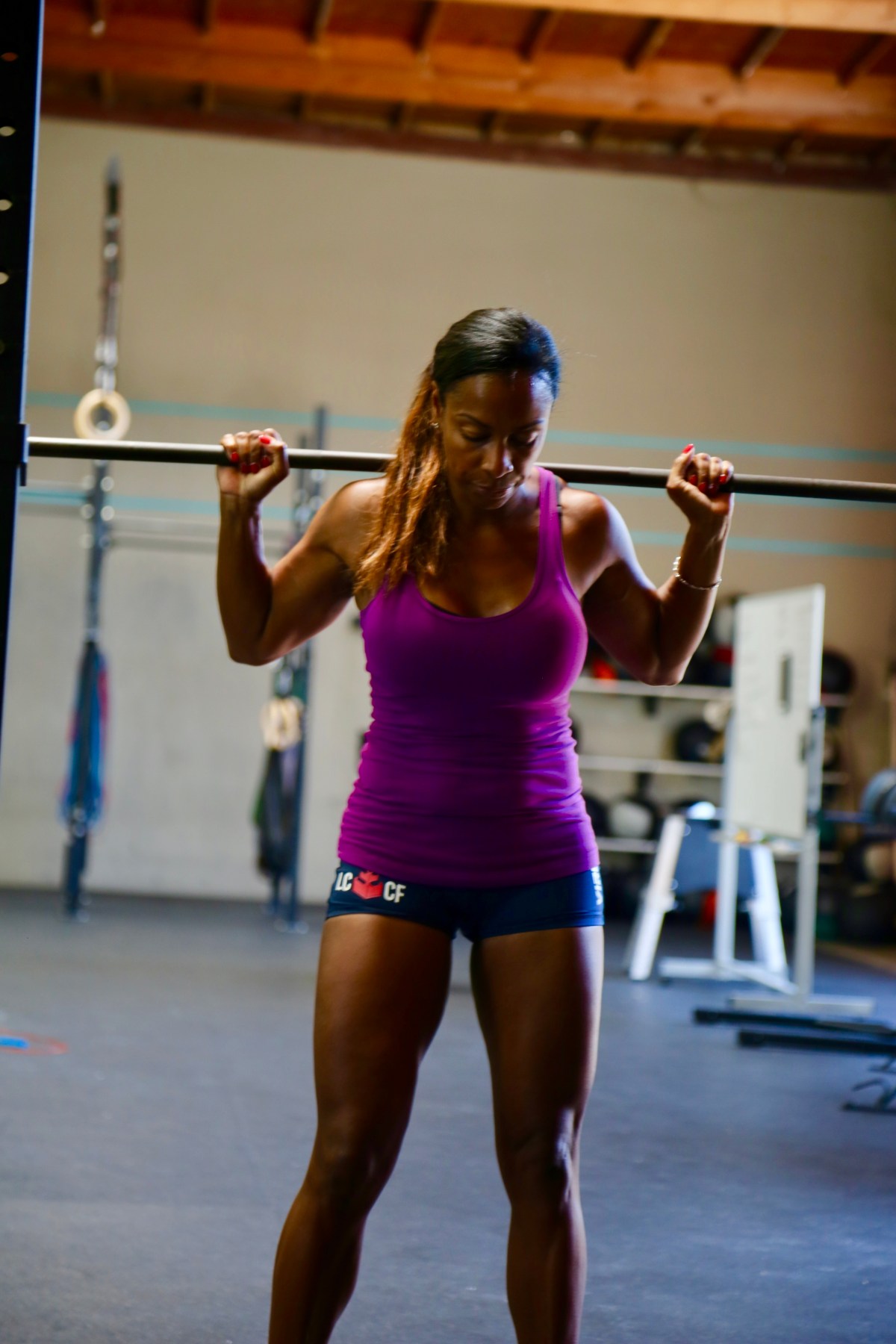
This Is 60: Stronger, Wiser, and Just Getting Started

I just turned 60. SIXTY. That number used to sound far away, like some distant chapter in a book I hadn’t opened yet. But now, here I am—standing in it, living it, and honestly? Loving it.

There’s a lot of noise out there about what it means to grow older, especially as a woman. We’re told to slow down, fade quietly, or settle into the background. But I believe it’s time we start rewriting that story. Because turning 60 doesn’t mean the best years are behind us—it means we’ve gathered the strength, wisdom, and confidence to make the next ones even better.

I Feel the Best I’ve Ever Felt

Physically, I feel strong. I lift weights. I walk daily. I fuel my body with intention. I don’t chase perfection, but I do prioritize feeling good in my own skin.

Mentally and emotionally, I’ve never been more grounded. I’ve let go of people-pleasing and comparison. I’ve learned to honor my boundaries, cherish my values, and speak up for what I believe in.

And spiritually? I’m rooted. I know who I am and what matters most.

Why I’m Sharing This

I’m not sharing this to brag. I’m sharing it because I know so many women feel invisible as they age. And I want you to know: you are not invisible. You are radiant. Capable. Strong. It’s not too late. You’re not too old. You still get to evolve, to dream, to chase goals that light you up.

If you’re approaching 60 or well past it, this is your reminder that this season can be your most powerful one yet.

What’s Coming Next

This next chapter of my blog—and my life—is about helping women like us feel and be our best. I’ll be sharing:
• Real talk on fitness after 50
• How I eat, move, and manage my hormones (yes, it matters!)
• The mindset shifts that helped me let go of fear and step into freedom
• Tips for embracing confidence at any age
• Style, beauty, and wellness ideas for women who want to age boldly

Let’s Do This Together

If you’re reading this and feeling a little stuck, unsure, or just curious about what 60 can look like—I’m here to tell you: it can be vibrant, powerful, and full of joy. And you don’t have to figure it out alone. Let’s do it together.

Because 60 isn’t the end of something—it’s the beginning of something beautiful.

#ThisIs60 #AgingBoldly #Over50Wellness #FitOver50 #WomenOver60 #HealthyAtEveryAge

60 is not a slowdown. It’s a level-up.

Why I Stopped Pushing Myself Too Hard in Workouts—and Found a Smarter Way to Stay Fit-A Personal Story

For 11 years, I was all in with CrossFit. My goal? Lose weight and work out so hard that my body became a calorie-burning machine. And for a while, it worked. But over time, I realized something critical: how much you move matters—but moving intensely just once a day isn’t enough.

I used to push myself so hard in the gym that I couldn’t move for the rest of the day. I’d be too exhausted to cook dinner, run errands, or even get off the couch. Over time, I noticed that working out at such a high intensity in my mid- to late 50s wasn’t just unhelpful—it was actually counterproductive to my goal of getting in the best shape of my life.

Here’s why: When we work out, we stress our bodies, and that stress triggers the release of cortisol, our body’s primary stress hormone. Guess where cortisol loves to hang out? In your belly. So while I thought I was doing my body a favor, I was actually working against myself.

On top of that, those intense workouts made me ravenous. I’d end up overeating to recover from the stress I’d put my body through—again, sabotaging my own progress.

What finally clicked for me was understanding how exercise affects the body and how to work with my system instead of against it.

Now, I focus on incorporating movement throughout my day rather than relying solely on a single, exhausting workout. For example:

• When my son has a 45-minute orthodontist appointment, I walk laps outside instead of waiting in the car.

• While watching TV, I make it a point to get up and walk around or do 10 squats every 30 minutes.

Not everyone has the time—or energy—to spend an hour at the gym every day, and that’s okay. The key is finding ways to weave movement into your everyday life, whether it’s at the office, at home, or while running errands.

This approach has helped me feel better mentally and physically, all while working in harmony with my body—not against it. Small, intentional movements add up, and they make a big difference in how you look, feel, and live.

Break Up Sitting Time with Squats for Better Blood Sugar Control

Did you know that doing just 10 bodyweight squats every 45 minutes during a typical 8.5-hour day of sitting can regulate blood sugar more effectively than a single 30-minute walk?

The secret lies in lactate, a powerful signaling molecule that your body produces during exercise. Lactate triggers an increase in GLUT4 transporters tiny helpers that pull glucose out of your bloodstream and into your muscles, where it can be used for energy.

What’s even more incredible? This effect lasts for up to 48 hours, making it a simple yet impactful way to support blood sugar regulation throughout your day.

So, if you spend hours sitting, try incorporating quick sets of squats into your routine. It’s a practical, time-efficient way to boost your health without needing to carve out a dedicated workout window!

Ground Hog Day: Alcohol and Its Effects

Alcohol—it’s delicious, helps me relax, and makes socializing with friends easier. It makes me feel great… until it doesn’t.

For years, I set ambitious goals for myself—goals that included getting back in the amazing shape I was in during my early 50s. I used to show people pictures of myself from that time, proud of how good I looked. But no matter how hard I tried, I couldn’t get close to where I was before. Even when I had a few good days of eating right, they were inevitably followed by bad decisions. This is what I call Groundhog Day: waking up every morning feeling defeated and depressed about the out-of-control eating the night before.

What caused this cycle, you ask? Alcohol.

For a long time, I didn’t make the connection. I saw alcohol as a treat or an enhancement to my social life, not something that could derail my progress. But after countless mornings of regret, I finally realized alcohol wasn’t just a minor indulgence—it was a major obstacle.

Breaking the Cycle

In 2023, I decided to take control. I created a plan to get in the best shape of my life and approached it with optimism. I knew I had to make significant changes, starting with alcohol.

I started researching the effects of alcohol on the body and was shocked to learn the following:

• When you drink, your body prioritizes metabolizing alcohol over burning fat. This process can last anywhere from 3 to 10 days, depending on the amount consumed. During this time, your body essentially pauses fat-burning to focus on breaking down the alcohol.

• Alcohol also disrupts your metabolism, making it harder to process calories from food efficiently.

Curious about how this worked for me personally, I started my own experiment. I weighed myself daily and tracked my habits. Without fail, after just two glasses of wine with dinner, my weight would increase the next morning—and it didn’t stop there. The higher weight stuck around for three to five days, even though I was eating in a calorie deficit and exercising.

I repeated the experiment several times, and the results were always the same. Alcohol caused weight gain, delayed fat loss, and disrupted my progress.

The Weekend Trap

Now, imagine drinking just twice a week—or only on weekends. It’s easy to see why so many of us struggle to stay consistent with weight loss. If your body spends three to five days recovering from alcohol’s effects, that leaves very little time for actual fat-burning. When this pattern repeats week after week, it becomes impossible to make lasting progress.

How Alcohol Affects Your Weight

Here are the real ways alcohol sabotages your weight loss goals:

1. Metabolism Disruption

When you drink alcohol, your body prioritizes metabolizing it over burning fat. Alcohol is seen as a toxin, so your liver works to process and eliminate it as quickly as possible. This halts fat metabolism and calorie-burning for up to 10 days after drinking.

2. Empty Calories

Alcohol is calorie-dense but provides no nutritional value. A single glass of wine or a cocktail can add hundreds of calories to your daily intake without filling you up, leading to overeating or exceeding your calorie budget.

3. Lowered Inhibitions

Alcohol impairs decision-making, making it harder to resist unhealthy foods or stick to portion control. Late-night snacking or indulging in greasy foods after drinking is a common pattern that adds extra calories.

4. Sleep Disruption

Drinking alcohol can interfere with your sleep quality. Poor sleep negatively impacts your hormones, particularly those related to hunger and metabolism, such as leptin and ghrelin. This can lead to increased cravings and overeating the next day.

5. Fluid Retention and Inflammation

Alcohol causes water retention and inflammation in the body, which can make you feel bloated and temporarily increase the number on the scale.

The Takeaway

For years, I couldn’t figure out why I wasn’t seeing progress, even though I was exercising and eating in a calorie deficit. But now I know the truth: alcohol was holding me back. It wasn’t just about the calories in the drinks—it was about how alcohol disrupted my body’s ability to burn fat, impaired my judgment, and derailed my consistency.

Since making the decision to cut out alcohol, I’ve seen real, measurable progress. My weight is more stable, my energy levels have improved, and I’m finally breaking free from the Groundhog Day cycle.

If you’re serious about your weight loss journey, it’s worth asking yourself: is alcohol helping or hurting? For me, the answer was clear—and making the change has been life-changing.

The Health Benefits of Infrared Saunas: A Path to Better Well-Being

Here are some of the key health benefits of using an infrared sauna:

1. Detoxification

Sweating is one of the body’s natural ways to eliminate toxins. Infrared saunas promote a deeper, more productive sweat at lower temperatures, helping to flush out heavy metals, environmental toxins, and other impurities. Regular sessions can leave you feeling lighter and cleaner from the inside out.

2. Improved Circulation

The heat from an infrared sauna penetrates deep into your tissues, causing your blood vessels to expand. This can enhance blood flow and oxygen delivery throughout the body, promoting better circulation. Improved circulation may also aid in faster recovery after exercise and reduce muscle soreness.

3. Pain Relief

If you suffer from chronic pain, muscle tension, or joint issues, infrared saunas might be a game-changer. The infrared light penetrates deeply into your muscles and joints, relieving inflammation and stiffness. Many people with conditions like arthritis or fibromyalgia report significant improvements in their symptoms with regular use.

4. Weight Loss

While an infrared sauna isn’t a replacement for a healthy diet and exercise, it can complement your weight-loss efforts. A single 30-minute session can help you burn calories as your body works to cool itself down. Some studies suggest that the cardiovascular activity induced by sauna use can mimic the effects of light exercise.

5. Better Skin Health

Sweating in an infrared sauna helps to open up your pores, releasing dirt and impurities trapped in your skin. The increased blood circulation also promotes collagen production, which can improve skin elasticity and reduce signs of aging. Say goodbye to dull skin and hello to a radiant glow!

6. Stress Reduction and Relaxation

There’s something inherently calming about stepping into a warm, soothing environment. Infrared saunas help to lower cortisol levels (the stress hormone) and encourage the production of endorphins, leaving you feeling relaxed and rejuvenated. It’s a perfect way to wind down after a long day.

7. Boosted Immune Function

Infrared saunas gently raise your body temperature, mimicking a fever. This stimulates your immune system, making it more effective at fighting off illnesses. Regular use may help you stay healthier during cold and flu season.

Tips for Using an Infrared Sauna

Stay Hydrated: Drink plenty of water before, during, and after your session to avoid dehydration.

Start Slow: If you’re new to saunas, start with shorter sessions (10–15 minutes) and gradually increase as your body adjusts.

Listen to Your Body: While infrared saunas are safe for most people, consult your doctor if you’re pregnant, have heart issues, or other medical conditions.

Infrared saunas are not just a luxury; they’re a valuable tool for enhancing overall health and wellness. Whether you’re looking to detox, relieve pain, or simply carve out some time to relax, incorporating regular sauna sessions into your routine can make a big difference in how you feel and function.

Have you tried an infrared sauna? Share your experience in the comments below—I’d love to hear how it’s helped you!

Let me know if you’d like to make any changes or add personal touches!

Staying Fit in Your 50’s and 60s (That You Won’t Hear at the Gym)

As someone approaching 60 and in the best shape of my life, I’ve discovered that staying fit isn’t about perfection or rigid gym routines. It’s about creating a lifestyle of movement and making small, sustainable choices every day that add up to big results. Whether you’re just starting out or looking to refine your habits, here are some tips that have worked for me—ones you might not hear at your average gym.

1. Walk Daily, Preferably After a Meal

Walking is one of the simplest, most underrated forms of exercise. Not only does it improve cardiovascular health, but taking a brisk walk after a meal can help with digestion and regulate blood sugar levels. Start small with 10-15 minutes and gradually increase your pace and distance. You don’t need fancy gear—just comfortable shoes and the commitment to get moving. It’s a low-impact way to stay active and refresh your mind.

2. Lift Weights 3 Times a Week

Strength training is a non-negotiable for aging gracefully. Muscle mass naturally declines as we age, but lifting weights can reverse that process, keeping your bones strong and your metabolism humming. If you’re a beginner, start with light weights or resistance bands. Focus on functional movements like squats, deadlifts, and push-ups. If you’re more advanced, challenge yourself with heavier weights or new exercises. The key is consistency—three times a week is enough to see progress without overdoing it.

3. Find a Community You Love

Exercise doesn’t have to be a solo endeavor. In fact, one of the best ways to stay committed is to find a place you genuinely enjoy working out—whether it’s a gym, yoga studio, or pickleball court. Having friends or a supportive community makes fitness more fun and keeps you accountable. Plus, social connections are vital for mental health, especially as we age. Surround yourself with people who motivate and inspire you to show up.

4. Always Be Moving

The truth is, working out for one hour a day won’t counteract 23 hours of sitting. A fit lifestyle is about always finding ways to move. Watching TV? Stand up and walk around the room during commercials, do air squats, or stretch every 45 minutes. Cooking dinner? Add in some calf raises or side lunges. Cleaning the house? Treat it as a mini workout. The more you incorporate movement into your daily routine, the less you’ll have to “exercise” in the traditional sense.

5. Live a Life in Motion

The most important lesson I’ve learned is that fitness isn’t something you “do”—it’s who you are. Embrace a life of motion where movement becomes second nature. Walk more, take the stairs, garden, play with your grandkids, and say yes to active adventures. These habits make staying fit effortless because they’re built into your lifestyle, not just an isolated part of your day.

Final Thoughts

It’s never too late to start. Whether you’re already active or just beginning, small, intentional actions will lead to big changes over time. The goal isn’t perfection; it’s progress. So lace up your sneakers, pick up those weights, and find a community that lifts you up. A fit, vibrant life is waiting for you—you just have to move toward it.

What are your favorite ways to stay active? Share them in the comments—I’d love to hear from you!

Welcome to Thrive Gracefully: A Journey of Strength and Purpose

Have you ever felt like life is moving faster than you can keep up, yet there’s so much more you want to accomplish? You’re not alone. Whether it’s rediscovering your strength, embracing change, or finding a sense of balance, I believe every woman deserves to thrive—gracefully.

Hi, I’m Gina, and I’m so excited to welcome you to Thrive Gracefully! This blog is more than just a collection of ideas; it’s a space where we can explore what it means to live a strong, healthy, and purposeful life—together.

Why I Started This Blog

As a nearly 60-year-old wife and mom of two teenagers, I know firsthand how challenging it can be to juggle the demands of life while staying true to yourself. Over the years, I’ve discovered that staying fit—physically, mentally, and spiritually—has been the key to not just surviving but truly thriving.

What You Can Expect

Here at Thrive Gracefully, you’ll find:

Fitness Tips: Simple, realistic ways to stay active and strong at any age.

Encouragement: Uplifting stories and advice to help you tackle life’s challenges with confidence.

Wellness Strategies: Practical tips for balancing your health, family, and goals.

Personal Insights: Real stories from my journey to inspire and motivate you.

This is a place for women who want to embrace their strength, live with intention, and age gracefully. Whether you’re just starting a new journey or looking for fresh motivation, I hope you’ll feel at home here.

My Mission

I started this blog because I believe in the power of encouragement and community. I want to create a space where we can lift each other up, celebrate our wins, and support one another through the challenges.

Life isn’t about perfection—it’s about progress. It’s about showing up for yourself every day and finding joy in the little things. My mission is to help you discover your inner strength, one step at a time.

Let’s Thrive Together

Thank you for joining me on this journey. I’m so excited to connect with you, share stories, and grow together. This is just the beginning of something beautiful, and I can’t wait to see where it takes us.

What’s one area of your life where you’d like to thrive? Leave a comment below—I’d love to hear from you! And don’t forget to subscribe to stay updated on new posts, tips, and inspiration.

Here’s to thriving gracefully,

Gina